Paper clutter can quickly take over your home, filling drawers, countertops, and desks with piles of documents, bills, receipts, and mail. Reducing this clutter not only creates a cleaner environment but also helps you stay organized and stress-free. If you’re ready to tackle paper clutter without feeling overwhelmed, here are some simple and practical steps to get started.
Why Reducing Paper Clutter Matters
Before diving into tips, it’s helpful to understand why paper clutter can be a problem. Excess paper:
– Takes up valuable space
– Makes it harder to find important documents
– Adds to visual stress
– Can lead to lost bills or deadlines
Minimizing paper clutter creates a calm, efficient home and ensures you always know where important papers are.
Step 1: Sort and Purge Regularly
Start by sorting through all your paper piles. Create three categories:
– Keep: Important documents like legal papers, tax returns, warranties, and vital records
– Recycle: Junk mail, outdated magazines, and unnecessary flyers
– Shred: Sensitive information such as bank statements and anything with personal details
Set a schedule to do this regularly, like once a month or every few weeks, to prevent paper buildup.
Step 2: Go Digital Wherever Possible
One of the best ways to reduce paper is to minimize incoming physical documents:
– Switch to e-billing and electronic statements for utilities, credit cards, and banks.
– Scan important documents and save them securely on your computer or cloud storage.
– Use apps and software to organize digital files so they’re easy to find.
– Consider using a tablet or e-reader for magazines and newsletters.
By embracing digital solutions, you’ll significantly cut down on paper flow into your home.
Step 3: Set Up a Simple Filing System
A straightforward filing system makes it easy to keep and find important papers:
– Use labeled folders or file boxes for categories like bills, receipts, warranties, and school paperwork.
– Organize files by date or topic.
– Keep your filing system in a dedicated, accessible spot.
– Don’t overcomplicate—simple systems are easier to maintain.
Make it a habit to file papers immediately instead of letting them pile up.
Step 4: Use Incoming Mail Stations
Designate a spot near your entryway or kitchen for incoming mail:
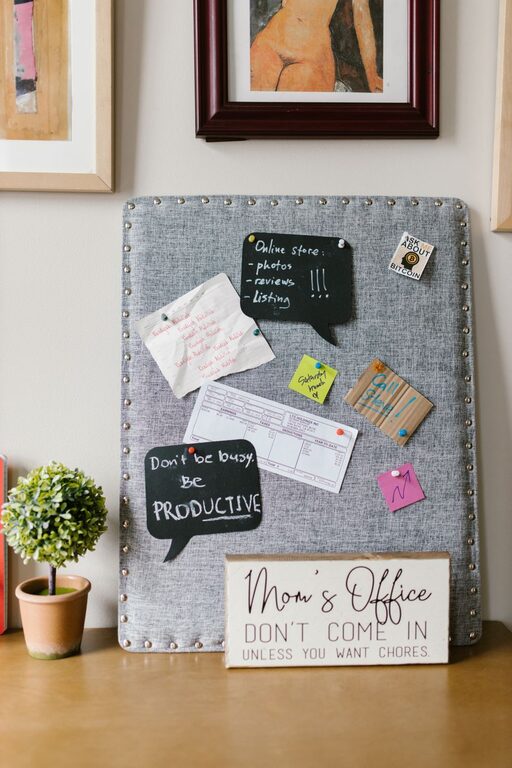
– Use a small tray, basket, or wall file organizer.
– Sort mail daily or weekly, immediately discarding junk and recycling unwanted flyers.
– Separate important mail that needs action, so you don’t lose track.
This helps keep paper from spreading across your home.
Step 5: Limit What You Bring Home
Reducing paper clutter also means being mindful of new paper items you bring in:
– Unsubscribe from unwanted catalogs and junk mail—many companies offer online opt-outs.
– Ask for digital receipts instead of printed ones when shopping.
– Avoid printing emails or documents unless absolutely necessary.
Being selective helps keep your paper load manageable.
Step 6: Create a Paper “Inbox” for Action Items
It’s helpful to have an inbox specifically for papers that need attention:
– Bills to pay
– Forms to fill out
– Invitations or event information
Check this inbox regularly and clear it by completing tasks or filing papers away.
Step 7: Repurpose or Reuse Paper Before Recycling
Before tossing paper, consider if it can be reused:
– Scrap paper for notes or lists
– Envelopes for storing coupons or small items
– Cardboard for crafts or organizing drawers
This reduces waste and uses paper more efficiently.
Step 8: Use Technology to Track Receipts and Warranties
Instead of keeping physical receipts and warranty papers, try:
– Taking photos of receipts and saving them on your phone.
– Using apps designed to track warranties and purchases.
– Keeping digital copies organized by store or date.
This cuts down on piles of small papers and ensures you always have access to essential info.
Maintaining Your Paper-Free Home
Reducing paper clutter is an ongoing process. Here are a few tips to stay organized:
– Schedule regular decluttering sessions.
– Stick to your filing and sorting habits.
– Reassess your system every few months and adjust as needed.
– Involve family members to keep everyone on the same page.
With these simple strategies, your home can stay tidy, and paper clutter can become a thing of the past.
—
Remember, reducing paper clutter doesn’t happen overnight. Start small and build habits that work for you. Over time, you’ll enjoy a more organized and peaceful living space!
About the Author