
Cleaning up after dinner is often the least enjoyable part of cooking. However, with a few practical ideas, you can streamline the process and make your kitchen cleanup much easier. Whether you’re cooking for one or a family, these tips will help you save time and reduce stress after your meals.
Plan Ahead for Easier Cleanup
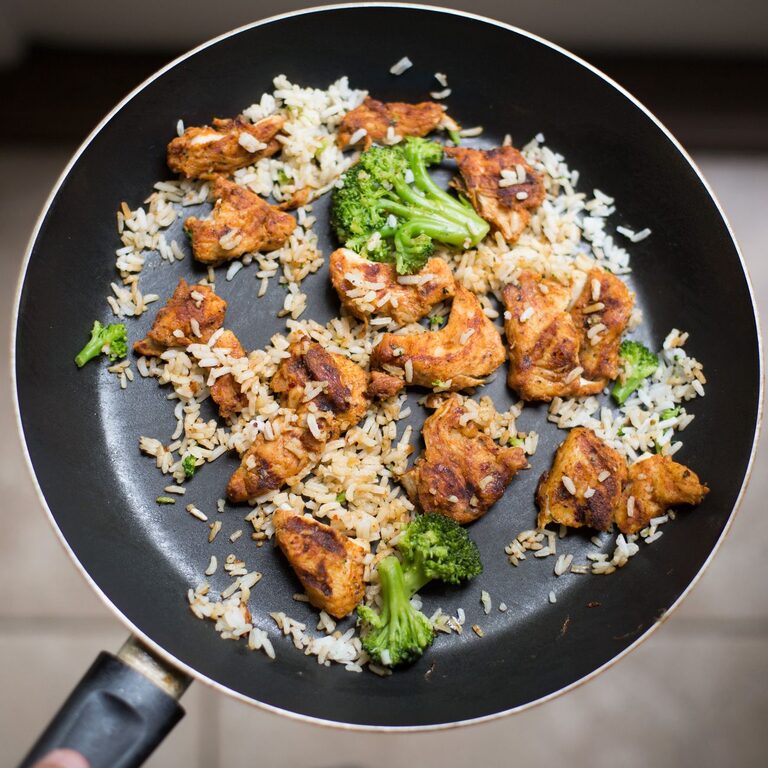
Use One-Pot or One-Pan Recipes
One of the simplest ways to minimize cleanup is to prepare meals using just one pot, pan, or baking dish. These recipes not only save time cooking but also greatly reduce the number of dishes you have to wash afterward. Think casseroles, sheet pan dinners, or stir-fries—all cooked in a single vessel.
Pre-Soak Pots and Pans
Once you finish cooking, fill pots and pans with warm soapy water and let them soak while you eat. This will help loosen any stuck-on food, making them easier to clean when you get to them.
Keep Cleaning Supplies Handy
Having your cleaning tools within reach makes tackling dishes quicker and less of a hassle.
– Store sponges, dish brushes, and dish soap near the sink.
– Use a sink caddy or organizer to keep everything neat.
– Keep a small towel or microfiber cloth nearby for wiping counters as you go.
Clean as You Go
Wash or Rinse While Cooking
If possible, wash mixing bowls, measuring cups, and utensils as you cook to avoid a large pile of dishes afterward. Rinsing items immediately after use prevents residue from hardening.
Wipe Down Surfaces Throughout Dinner Prep
Take a few seconds to wipe spills and crumbs from countertops as you cook. This prevents messes from building up and cuts down on deep cleaning later.
Use Efficient Dishwashing Techniques
Load the Dishwasher Properly
If you have a dishwasher, loading it correctly helps everything get clean faster. Place plates vertically, bowls at an angle, and avoid overcrowding to ensure water reaches all surfaces.
Hand Wash in Batches
When washing dishes by hand, group similar items together (glasses, plates, utensils) and clean in sequence. This method saves time compared to switching between different types of dishes.
Simplify Tableware and Serveware
Use Fewer Dishes
Cut down on cleanup by minimizing the number of plates, bowls, and utensils you use. Consider using larger dinner plates instead of separate salad or appetizer plates.
Serve Family-Style
Serving food in large bowls or platters on the table means fewer serving dishes to wash afterward. Everyone can help themselves, reducing the need for multiple serving utensils.
Encourage Everyone to Pitch In
Dinner cleanup doesn’t have to fall on one person.
– Assign simple tasks like clearing plates, putting leftovers away, or rinsing dishes.
– Make it a family routine or turn cleanup into a quick post-dinner activity.
– Playing some music can make the process more enjoyable and less of a chore.
Manage Leftovers Smartly
Store Leftovers Immediately
Put leftovers in airtight containers right after dinner. This keeps your counters clear and cuts down on clutter.
Use Stackable Containers
Stackable storage containers maximize fridge space and keep your leftovers organized, making it easier to find and use them later.
Keep Your Kitchen Organized
Declutter Countertops
Clear countertops of unnecessary items to create more workspace and make cleaning surfaces easier.
Use Drawer Organizers and Shelves
Keep utensils, pots, pans, and cleaning supplies neatly arranged. When everything has a place, tidying up is much faster.
Final Thoughts
Dinner cleanup doesn’t have to be overwhelming. By planning ahead, cleaning as you go, and involving everyone, you can make after-meal cleanup quicker and more manageable. With these simple strategies, you’ll spend less time scrubbing and more time enjoying your evening.
About the Author