
Reducing food waste at home is an easy way to save money, conserve resources, and contribute positively to the environment. Many of us throw away perfectly good food simply because we lose track of what we have or don’t plan meals carefully. By adopting some straightforward habits, you can cut down on waste while enjoying fresher meals and a tidier kitchen. Here’s a helpful guide filled with practical ideas to get started.
Why Reducing Food Waste Matters
Before diving into tips, it’s good to remember why reducing food waste is important. When food is wasted, all the energy, water, and other resources used to produce and transport it are lost. Plus, food scraps add to landfill waste, producing greenhouse gases. By wasting less, you help protect the planet and make better use of your food budget.
Smart Grocery Shopping
Plan Your Meals Ahead
One of the biggest reasons food goes to waste is buying more than needed. Planning meals for the week allows you to buy only what you will use. Consider making a shopping list based on your plan and stick to it when you go to the store.
Check What You Have First
Before shopping, take a quick inventory of your fridge, freezer, and pantry. This helps prevent buying duplicates that might spoil before you use them.
Buy Loose Fruits and Vegetables
Purchasing fruits or veggies loose instead of pre-packaged lets you choose the exact amounts you need, reducing excess and potential waste.
Proper Storage Techniques
Keep Foods Fresh Longer
Storing food correctly can extend its freshness. For example:
– Keep herbs fresh by wrapping them in a damp paper towel and placing them in a plastic bag in the fridge.
– Store bread in a cool, dry place or freeze it to prevent mold.
– Use airtight containers to keep leftovers and opened packages fresh.
Understand Expiration Dates
Terms like “best by,” “sell by,” and “use by” can be confusing. Often, foods are safe to eat after these dates if they look and smell fine. Use your senses to decide rather than automatically throwing food away.
Use Leftovers Creatively
Repurpose Meals
Leftovers can be turned into new dishes. For example, roast vegetables can become soup or a filling for wraps, and cooked rice can be used in stir-fries or casseroles.
Store Leftovers Properly
Use clear containers so you can easily see what’s inside, and label them with dates to keep track of freshness.
Freeze Extras
Freezing leftovers extends their shelf life considerably. Portion meals into single servings for quick future use.
Portion Control and Serving
Serve Smaller Portions
Start with smaller servings and go back for seconds if you’re still hungry. This reduces uneaten food on plates that often gets thrown away.
Encourage Mindful Eating
Teach family members to take only what they can eat and save leftovers for later meals or snacks.
Compost Food Scraps
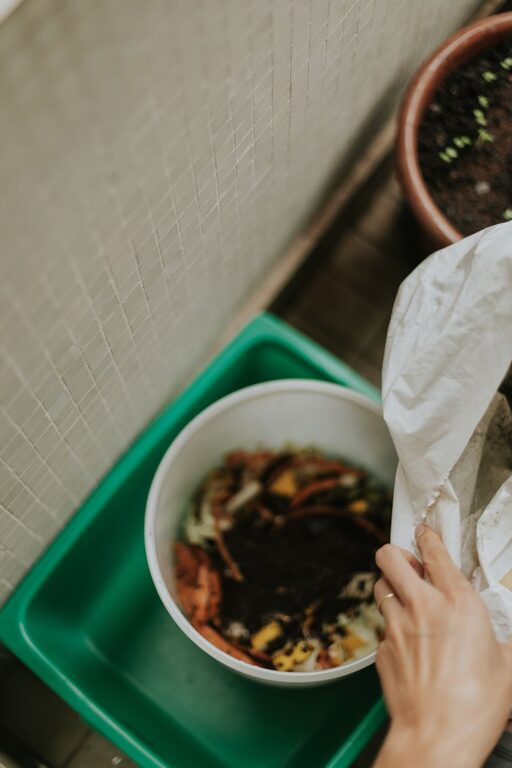
Even with the best efforts, some food scraps are inevitable. Composting is a great way to turn organic waste like fruit peels, vegetable scraps, and coffee grounds into nutrient-rich soil for gardens.
How to Start Composting at Home
– Use a compost bin or pile in your yard.
– Avoid composting dairy, meat, or oily foods as they can attract pests.
– Turn the compost regularly to speed up decomposition.
Additional Tips to Cut Food Waste
– Use up ingredients first: When you notice something nearing its use-by date, make it a priority in your next meal.
– Share excess food: Offer extra produce or baked goods to neighbors, friends, or local food banks.
– Grow your own: Home gardening lets you harvest only what you need, reducing waste from overbuying.
– Avoid impulse buying: Stick to your shopping list to resist tempting but unnecessary purchases.
Conclusion
Reducing food waste at home is simpler than it seems, and each small change can make a meaningful difference. By planning meals, storing foods properly, being creative with leftovers, and composting scraps, you save money and help the environment. Start with one or two tips today and gradually build habits that lead to less waste and a more sustainable kitchen.
Taking these steps not only helps the planet but also encourages a more mindful and organized approach to cooking and eating that benefits everyone in the household.
About the Author